Considering Landscape Design

The planning of outdoor areas involves a series of considerations. These include site analysis, spatial organization, and the selection of materials and vegetation. A structured design process can provide a framework for addressing these elements. This approach considers factors such as local climate, soil conditions, and the intended use of the space.

The Garden Harmony Framework

Garden Harmony presents a methodology for landscape planning. This approach involves creating custom design plans that consider client preferences alongside site-specific conditions. The process includes the selection of plant species and the integration of hardscape elements. The framework is designed to be transparent, outlining each step from initial consultation to the completion of installation work.
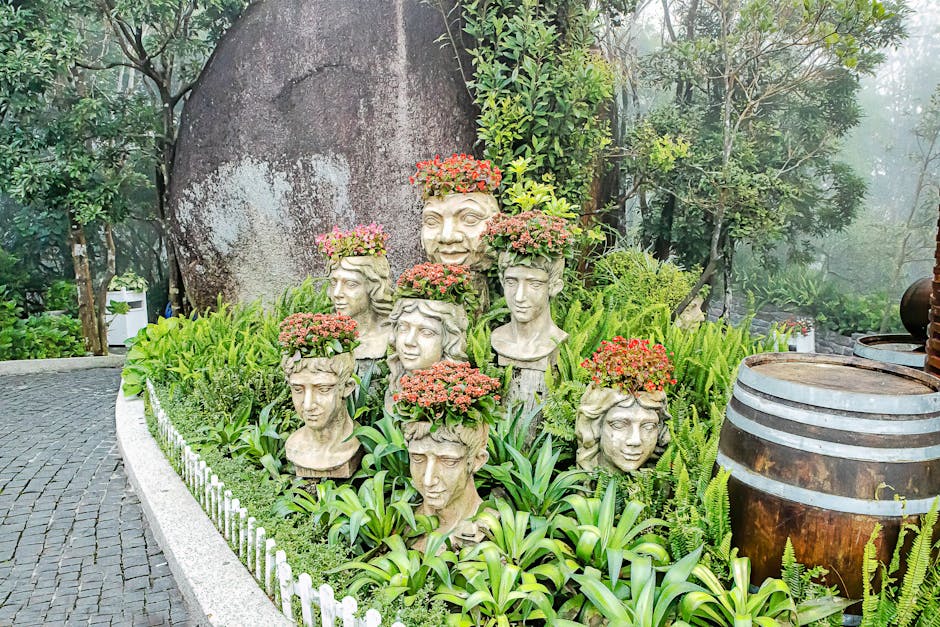
A serene garden scene featuring stone busts adorned with vibrant flowers, surrounded by lush greenery and trees.

A Phased Methodology

  • 01

    Initial Consultation & Site Review

    A preliminary meeting to discuss the project scope and examine the physical characteristics of the property.

  • 02

    Conceptual Design Development

    Creating initial layout proposals and selecting potential plant palettes and material options for consideration.

  • 03

    Detailed Plan Finalization

    Refining the chosen concept into a detailed plan with specifications for all elements and materials.

  • 04

    Coordination & Installation

    Managing the implementation phase, which includes site preparation and the placement of agreed-upon features.

Client Perspectives

Kenji Tanaka

The process was clearly explained from start to finish. The team followed the plan we discussed, and I was kept informed at each stage of the work on my property.

Aiko Sato

I appreciated the detailed approach to selecting plants suitable for my garden's conditions. The project was managed in a structured and transparent manner.

David Miller

The design phase provided several layout options to consider. The installation team was punctual and handled the site with noticeable care.

On Plant Selection and Integration

A core component of the Garden Harmony methodology involves the consideration of plant species. Selection is based on factors such as growth habits, seasonal interest, and compatibility with local environmental conditions in Japan. This process aims to create plant groupings that are considered cohesive. The integration of these selections with structural elements like pathways or walls is also a key part of the planning phase.

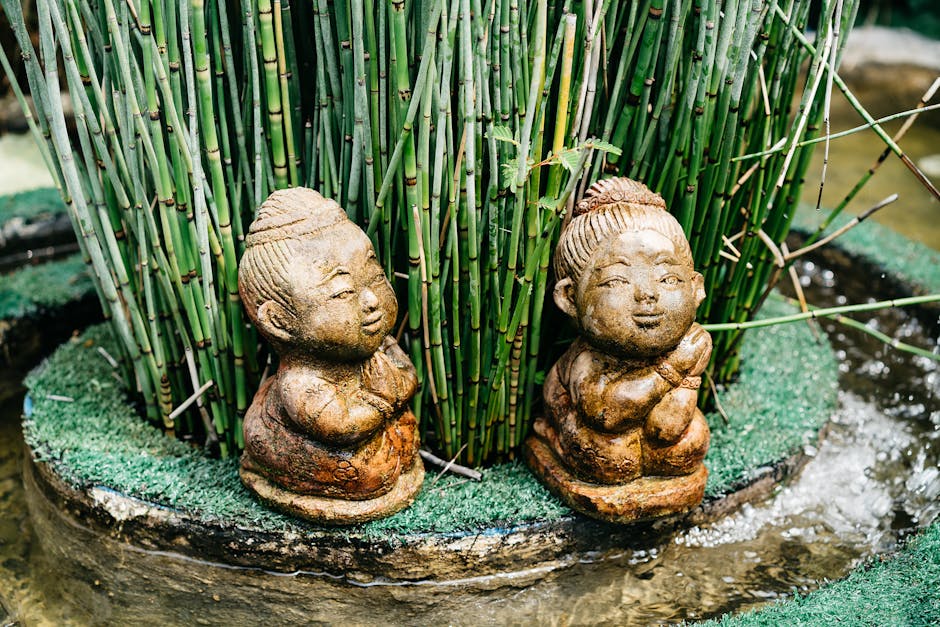
Serene garden scene with carved stone figurines, bamboo, and water feature.

Hardscape Considerations

Hardscape elements refer to the constructed, non-living features within a landscape. These can include patios, walkways, retaining walls, and water features. The planning process involves evaluating material choices such as stone, wood, or concrete for durability and aesthetic context. The placement of these features is considered in relation to drainage, usage patterns, and the overall design intent.

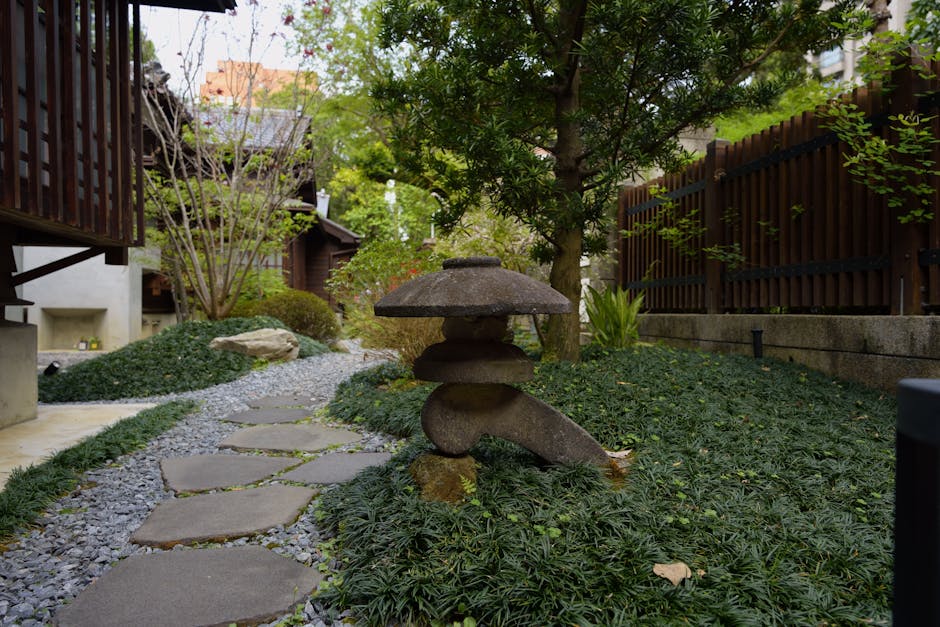
Tranquil stone path and lantern in a lush Japanese garden in Taipei.

Methodological Focus Areas

  • Custom Design Plans

    Developing tailored layout proposals based on individual site assessments and client discussions.

  • Adaptive Plant Selection

    Considering plant varieties that may be suitable for specific microclimates and soil types present.

  • Material Integration

    Evaluating hardscape materials for their functional and visual role within the overall plan.

  • Full-Scope Installation

    A coordinated process for implementing the approved design plan on the property.

Project Examples

The following images show various outdoor spaces where the described design and installation methodology has been applied.
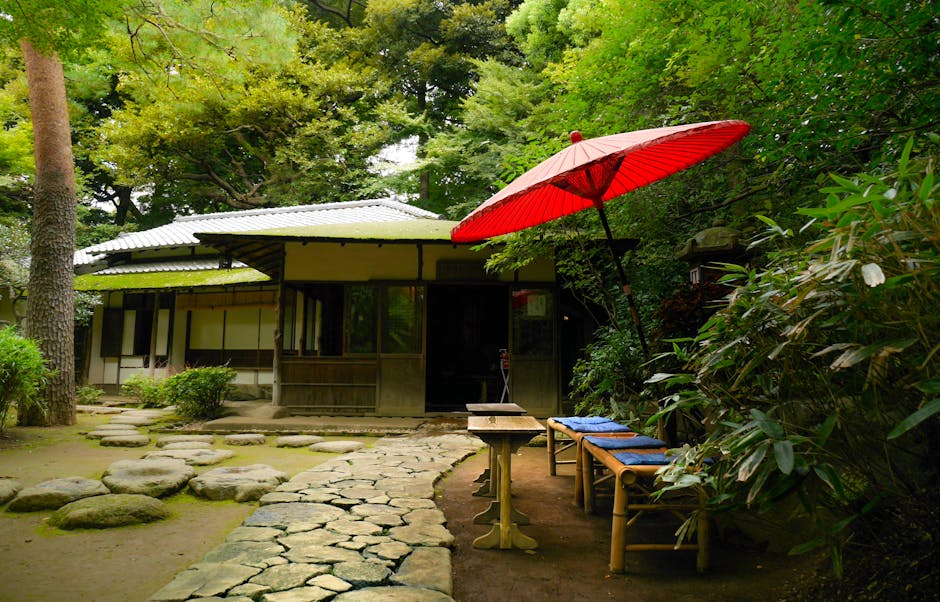
Serene Japanese garden featuring bamboo furniture and red sunshade, ideal for tranquil moments.
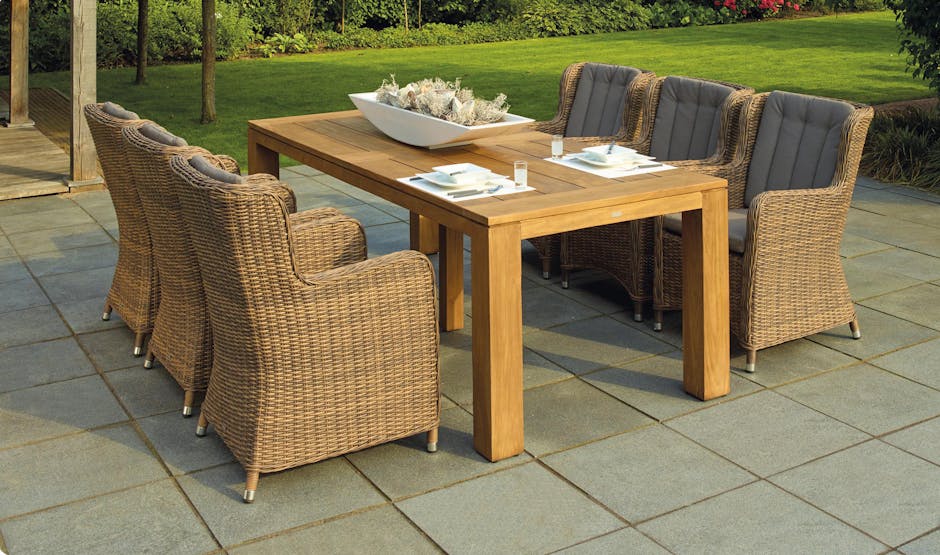
A serene outdoor patio set up with rattan chairs and a wooden table, perfect for relaxation.
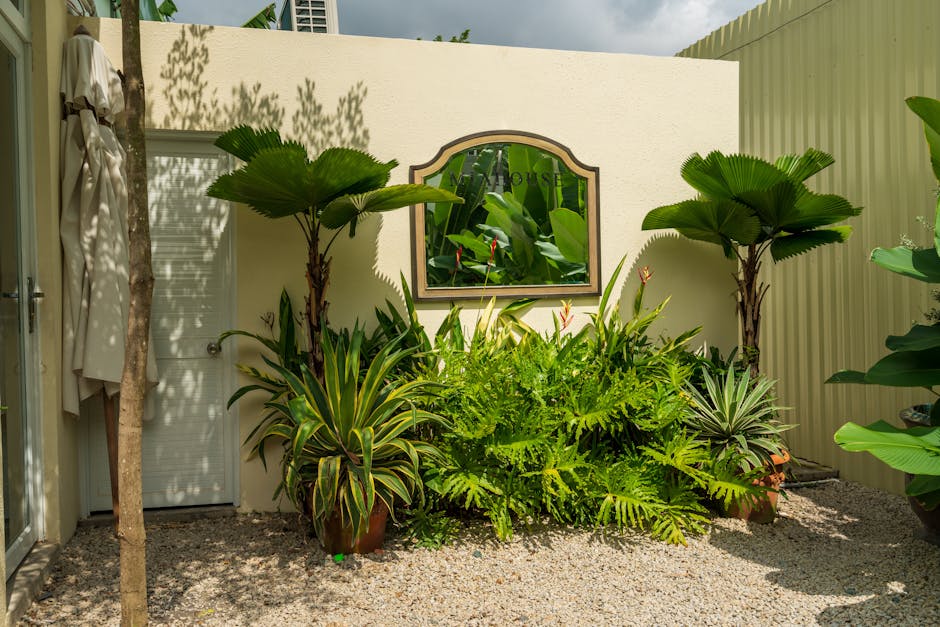
A peaceful garden scene with tropical plants and a welcoming mirror.
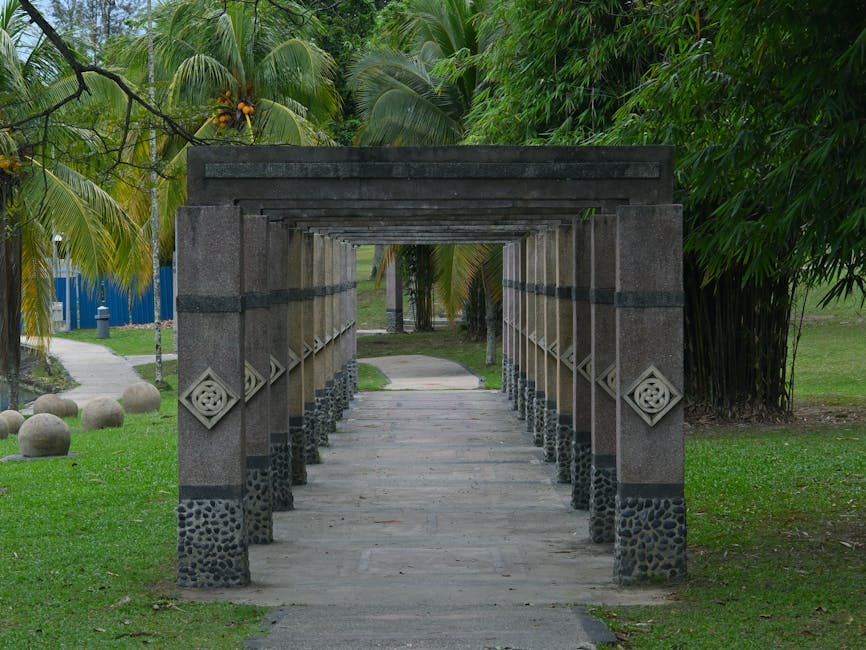
A serene stone pergola walkway surrounded by palm trees and greenery in a tropical park.

Understanding the Planning Process

A comprehensive landscape plan typically begins with a detailed site analysis. This step documents existing conditions, including topography, sunlight exposure, soil type, and existing vegetation. Following this analysis, a concept is developed that organizes the space into functional zones. The selection of plants and materials then proceeds, with consideration for long-term maintenance requirements and how the landscape may evolve over time. The final plan serves as a guide for the installation phase.

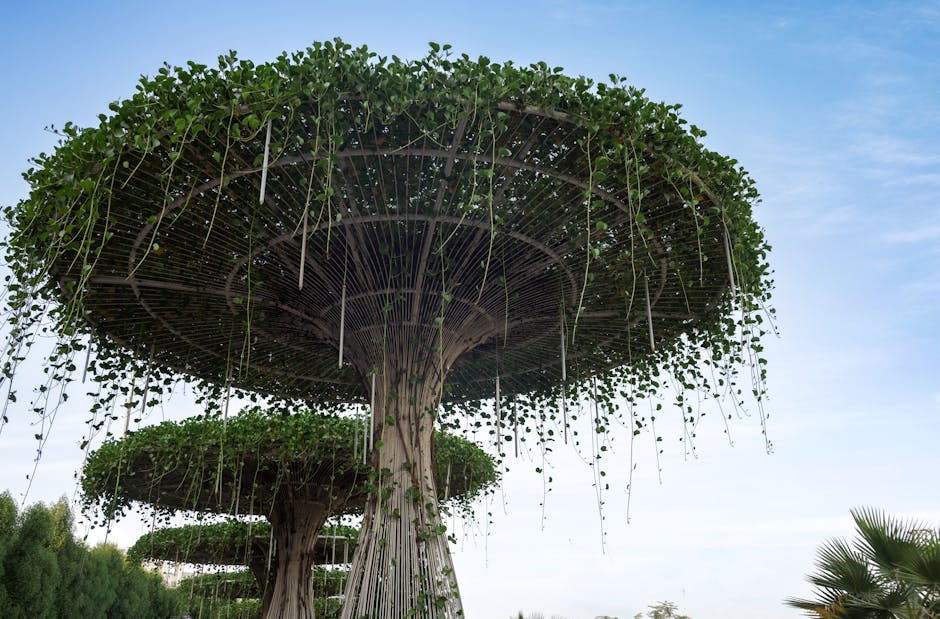
Innovative garden design featuring tall structures with cascading green vines against a clear sky.

Addressing Space Utilization

Garden Harmony's framework includes methods for evaluating how outdoor areas are used. This involves considering traffic flow, seating areas, and visual focal points. The goal is to create a layout that is considered logical for the inhabitants' activities. This planning phase also addresses practical aspects such as irrigation system placement and lighting considerations, which are integral to the overall functionality of the designed space.

From Concept to Completion

  • 01

    Documentation & Measurement

    Gathering precise site dimensions and recording all relevant environmental and structural data.

  • 02

    Drafting & Visualization

    Producing scaled drawings and sometimes visual renders to illustrate the proposed design concepts.

  • 03

    Material Sourcing & Logistics

    Identifying and procuring the specified plants, soils, and construction materials for the project.

  • 04

    Project Management & Review

    Overseeing the installation timeline and conducting a final walk-through upon project conclusion.

Common Inquiries

  • What is typically involved in the initial consultation?
    The initial meeting usually involves a discussion of your ideas for the space, a walk-through of the property to assess conditions, and an outline of the potential design and implementation process.
  • How are plants selected for a specific project?
    Plant selection is based on multiple factors observed during the site review, including sunlight levels, soil drainage, desired maintenance level, and the overall aesthetic direction of the design plan.
  • What types of hardscape materials are commonly used?
    Material choices vary but often include natural stone, pavers, gravel, and treated woods. Selection considers durability, local availability, and how the material fits within the design context.
  • How long does a typical installation process take?
    The duration depends on the project's scale and complexity, as well as external factors like weather conditions and material delivery schedules. A timeline estimate is provided during planning.
  • Is ongoing maintenance support discussed?
    Yes, as part of the planning process, the future care requirements for the selected plants and features are outlined to inform your long-term maintenance considerations.

A Transparent Methodology

Transparency in process and communication is a principle within the Garden Harmony approach. Clients receive clear documentation, including design plans and itemized proposals. This is intended to provide a comprehensive understanding of the project scope. The methodology acknowledges that outcomes can be influenced by variables such as weather during installation and the subsequent growth patterns of planted vegetation.

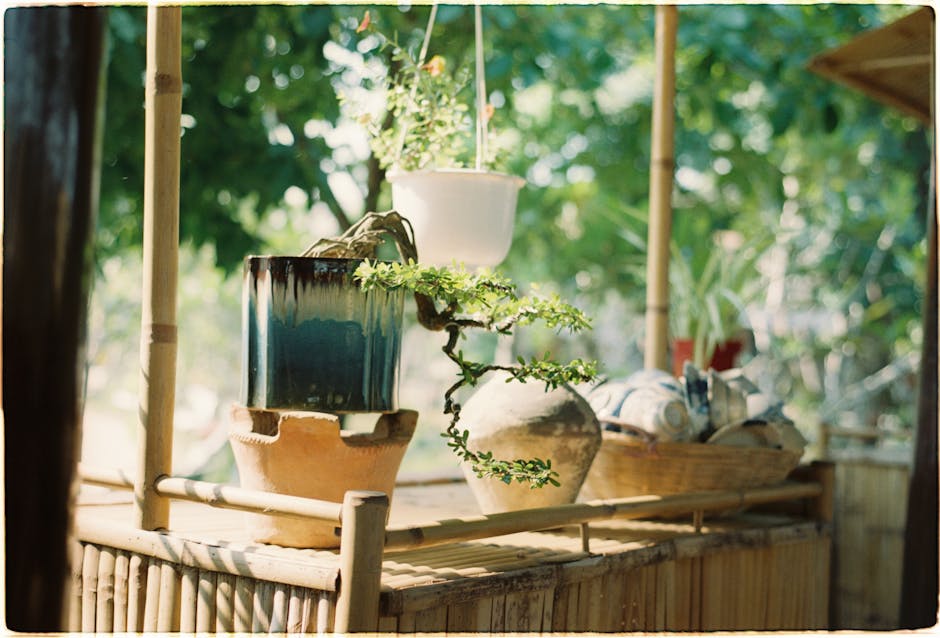
Serene bamboo patio featuring a variety of potted plants in natural sunlight.

The Role of Professional Planning

Engaging in a structured landscape planning process can provide a clear framework for developing outdoor spaces. It involves systematic consideration of aesthetics, functionality, and horticultural suitability. This approach is designed to address the complexities of integrating living plants with constructed elements. The resulting plan serves as a detailed reference point for all parties involved in the creation and future stewardship of the landscape.

Core Aspects of the Framework

Whimsical garden decoration with jeans and yellow boots potted with greenery.

Initiating a Conversation

To learn more about the landscape design and installation process, you can provide your contact details below.

Project Inquiry Form

We use cookies

We use cookies to ensure the proper functioning of the website, analyze traffic, and improve your experience. You can accept all cookies or reject them β€” the site will continue to operate. For more details, read our Cookie Policy.